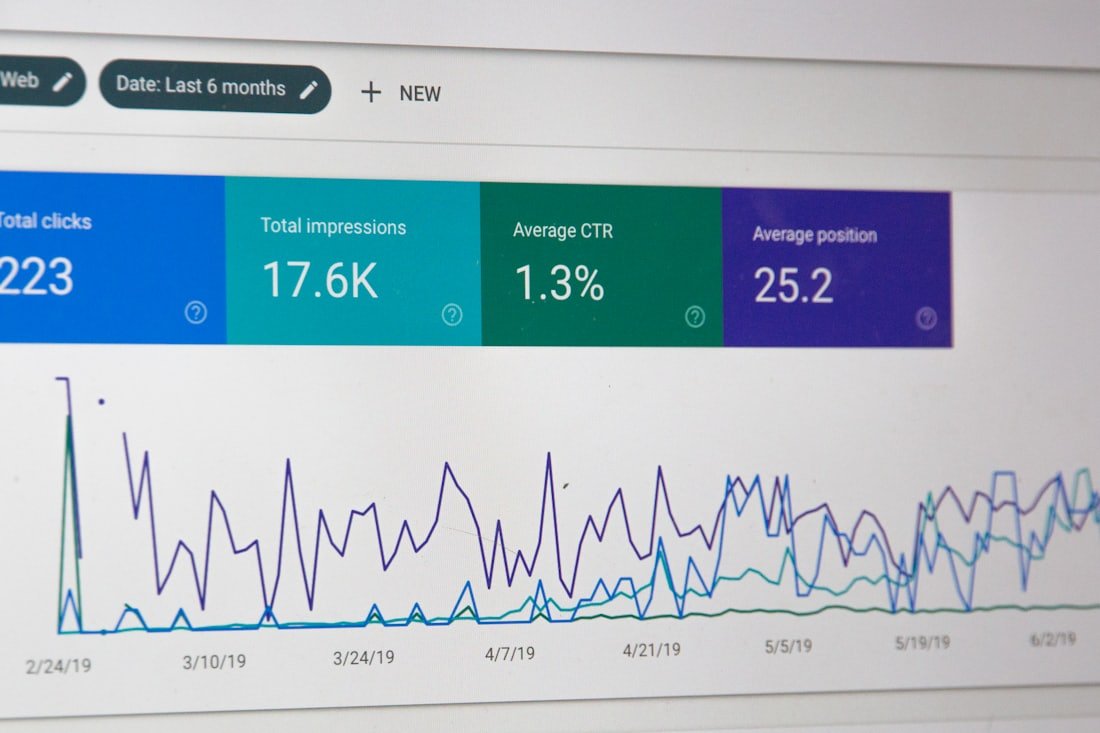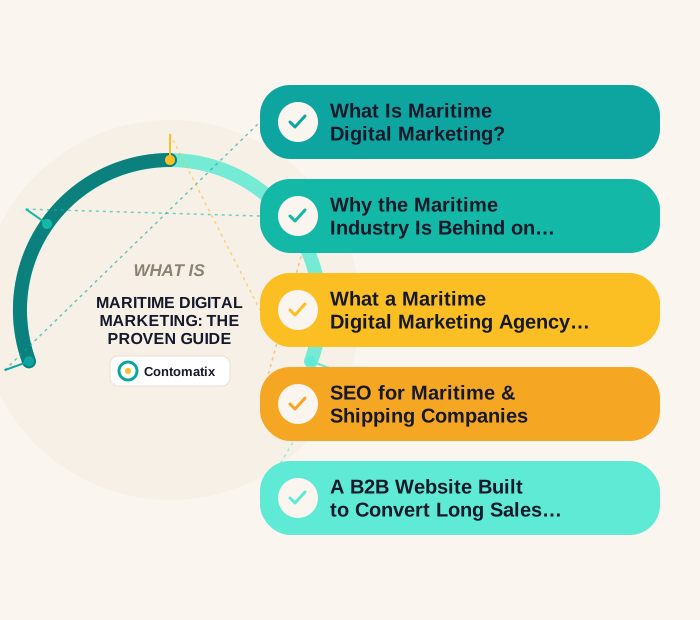
A ship charterer, a bunker fuel supplier, and a freight forwarding company can all run flawless operations and still lose a six-figure contract to a competitor with a worse fleet and a better website. Maritime buyers research online exactly like every other B2B buyer does — they just do it for higher stakes, longer sales cycles, and far more technical questions. Maritime digital marketing is the discipline of making sure your company is the one they find, trust, and request a quote from first.
This guide breaks down what that actually involves for shipping lines, port agencies, freight forwarders, marine equipment suppliers, and every other business operating in the maritime and offshore space — what to prioritize first, what most agencies get wrong about this industry, and how to tell a genuine maritime marketing partner from a generic digital agency that has never opened a bill of lading.
None of this replaces the relationships and reputation the maritime industry has always run on. It compounds them — the same way a strong word-of-mouth reputation used to spread at a shipping conference now needs to show up the moment someone searches your company name, your service, or your route online, because that search happens whether you've invested in it or not.

What Is Maritime Digital Marketing?
Maritime digital marketing applies SEO, content, paid advertising, and reputation management to the specific way maritime and shipping companies get chosen — long sales cycles, technical decision-makers, procurement teams that research for weeks before a single email is sent, and searches that use industry-specific terminology no generic marketer would think to target.
It overlaps with regular B2B marketing, but the details are different: a "conversion" might be an RFQ from a procurement officer, not a checkout. A "review" might be a case study cited in a tender document, not a five-star rating. And a "keyword" might be something like "P65 marine coating supplier" — a phrase with modest search volume but enormous buyer intent behind every single search.
Why the Maritime Industry Is Behind on Digital
Shipping and maritime services have historically run on relationships — brokers, agents, and decades-old client rosters built through word of mouth and industry conferences. That's not a flaw; it's how the industry has worked for a century. But it also means most maritime companies' websites are digital brochures from 2012, their SEO is nonexistent, and their content marketing is a PDF capability statement nobody has updated since a merger three years ago.
That gap is the opportunity. When an entire industry underinvests in digital, the companies that do invest — even modestly — capture a disproportionate share of the online research that happens before every RFQ, charter agreement, and vendor selection.
What a Maritime Digital Marketing Agency Actually Does
Strip away the terminology and the core work breaks into five areas: getting found for the specific technical and commercial searches your buyers actually use, building a website that answers a procurement team's questions before they ask them, publishing content that establishes real technical authority, earning citations and backlinks from the trade press and directories the industry actually trusts, and reporting on all of it in numbers a operations-minded client actually cares about — RFQs and qualified inquiries, not vanity impressions.
SEO for Maritime & Shipping Companies
Maritime SEO lives or dies on specificity. "Shipping company" is a hopeless keyword to chase — it's dominated by giants like Maersk and MSC, and it doesn't even describe what a buyer is looking for. The real opportunity is in the long, technical, high-intent phrases: "reefer container charter Rotterdam," "bunker fuel supplier Fujairah," "ship husbandry agent Singapore," "IMO 2026 compliant coating supplier."
Each of those phrases might only get a handful of searches a month — but every single search behind them is someone with a real, near-term need, often with budget already approved. Compare that to a generic term like "logistics company," which pulls in enormous volume and almost none of it relevant to a specialized maritime operator. Ten well-chosen long-tail keywords with genuine buyer intent will outperform one broad, unwinnable keyword every time.
Three things drive results here, and proper keyword research is the starting point for all of them:
- Route and port-specific pages. A freight forwarder serving fifteen trade lanes needs fifteen distinct pages, each targeting the exact route and cargo type a shipper searches for — not one generic "services" page trying to rank for all of them at once.
- Technical, jargon-correct content. Maritime buyers are engineers, superintendents, and procurement specialists. Generic marketing copy that avoids technical terms to "sound accessible" actually signals inexperience to this audience — the opposite of the intended effect.
- Regulatory and compliance content. Searches around IMO regulations, ballast water management, sulfur cap compliance, and classification society requirements spike constantly and reward companies that publish clear, accurate explainers first.
One detail that trips up generalist agencies: maritime search behavior is often seasonal around specific regulatory deadlines, charter renewal cycles, and even weather patterns affecting particular routes. A content and keyword calendar built without that context will consistently miss the windows when buyers are actually searching.
A B2B Website Built to Convert Long Sales Cycles
A maritime buyer rarely fills out a contact form on their first visit. The sales cycle can run weeks or months, involve multiple stakeholders, and require documentation before a single conversation happens. The website has to account for that reality instead of pretending it's an e-commerce checkout.
The fundamentals that matter most, guided by solid on-page SEO structure:
- Clear service and capability pages with vessel specifications, certifications, fleet details, or equipment specs — whatever your specific vertical requires as proof of capability.
- Downloadable technical documentation (spec sheets, compliance certificates, capability statements) gated lightly enough that procurement teams will actually request them.
- An RFQ or quote request form built around what your buyers actually need to specify — cargo type, tonnage, route, timeline — not a generic three-field contact form.
- Fast load times and mobile-usable pages, since a significant share of maritime research now happens from a phone on a vessel, a dock, or between meetings at a conference.
It's worth being blunt about a common failure mode here: many maritime companies redesign their website around how the business looks internally — organized by department or vessel type — instead of how a buyer actually searches and decides. A procurement officer comparing three bunker suppliers wants to see coverage area, product specs, and compliance certificates within two clicks. If that information is buried three menus deep behind a corporate "About" structure, the redesign has solved the wrong problem.
Content Marketing & Thought Leadership in Maritime
Content is where maritime companies can outmaneuver much larger competitors, because most large shipping and logistics companies still publish almost nothing useful. A well-written explainer on emissions regulations, a clear breakdown of demurrage calculation, or an honest comparison of chartering options answers exactly what a buyer is searching for at 11pm before a decision — and it builds the kind of trust a sales call alone never will.
The strongest maritime content programs mix three formats: regulatory and compliance explainers (evergreen, high search volume, constantly relevant as rules update), operational how-to content aimed at the procurement and operations staff who actually make vendor decisions, and case studies or route-specific breakdowns that double as commercial proof points a sales team can send directly to a prospect mid-negotiation.
LinkedIn & B2B Social for Maritime Brands
Maritime buyers are not scrolling Instagram for a bunker fuel supplier. LinkedIn is where this industry actually lives online — superintendents, procurement managers, brokers, and executives all use it to research vendors, follow industry news, and vet companies before a first call. A maritime company with an active, technically credible LinkedIn presence — sharing real operational updates, regulatory commentary, and case studies rather than generic stock-photo posts — builds the kind of familiarity that shortens a sales cycle measured in months.
Employee advocacy matters more here than in almost any other industry: a technical post from a company's own superintendent or fleet manager carries far more credibility with a maritime audience than the same post from a marketing account. A short update from an operations lead about how a vessel handled a difficult port call, or a technical breakdown from a fleet manager on a compliance change, will consistently outperform a polished corporate announcement — because it reads as coming from someone who actually does the work, not someone paid to promote it.
None of this requires a large content team. A handful of maritime companies post inconsistently but well, and that alone puts them ahead of the majority of competitors posting nothing at all.
Trade Directories, Maritime Press & Digital PR
Backlinks matter in maritime SEO exactly as they do everywhere else, but the sources that move the needle look different from a typical consumer niche. Maritime trade publications, port authority directories, classification society partner listings, industry association memberships, and chartering platforms all carry real authority with both Google and the humans who read them.
This is where link building and guest posting work differently in this vertical: a contributed article in a maritime trade publication or an interview in a shipping industry newsletter does double duty — it's a backlink for SEO and a credibility signal a procurement team will actually notice, sometimes independent of any search engine at all.
Paid Ads in Maritime — Where They Actually Work
Google Ads can work for maritime companies, but narrowly — mostly around urgent, high-intent searches like emergency ship repair, port agency services in an unfamiliar port, or time-sensitive charter availability. These are moments where a buyer needs an answer today, not a relationship built over months, and a well-targeted ad in front of that specific search can win business a slower organic strategy would miss entirely.
LinkedIn Ads tend to perform better for the longer, relationship-driven side of the business, particularly account-based campaigns targeting specific job titles at named companies a business development team is already trying to reach. Sponsored content promoting a genuinely useful technical article tends to outperform a direct sales pitch by a wide margin — it gets in front of the right person without asking for anything up front, which suits how this audience actually prefers to be approached.
What rarely works is treating maritime paid ads like consumer e-commerce ads — broad targeting, generic messaging, and an expectation of same-day conversions. The sales cycle and the audience simply don't behave that way, and budget spent on that assumption is largely wasted. A modest, well-targeted spend consistently outperforms a large, poorly aimed one in this space.
Trust Signals and Reputation in Maritime B2B
Consumer-style star ratings matter far less here than they do for a restaurant or a home-service business. What actually builds trust in maritime B2B: classification society and flag state certifications displayed prominently, named case studies with real route, tonnage, and outcome details, client logos from recognizable operators (with permission), and — increasingly — a visible, credible digital footprint that simply proves the company is active, current, and technically serious. A vessel operator checking out a new bunker supplier will look for all of these before ever picking up the phone.
There's a quieter trust signal too, one most companies overlook entirely: consistency across every place a buyer might encounter your name. If your classification listings, port authority directory entries, LinkedIn page, and website all show slightly different fleet numbers, service areas, or certifications, it reads as sloppy at best and unreliable at worst — in an industry where a paperwork error can delay a vessel and cost real money, that impression matters more than it would almost anywhere else.
Common Maritime Digital Marketing Mistakes to Avoid
Most of the wasted budget in this space comes down to a handful of repeated mistakes, all avoidable with the right context going in:
- Hiring a generalist agency with no B2B industrial experience. The instincts that work for e-commerce or local consumer businesses — urgency-driven ad copy, star-rating widgets, short-form social content — actively hurt credibility with a technical maritime audience.
- Chasing broad, high-volume keywords instead of specific ones. A page trying to rank for "shipping services" globally will lose to Maersk every time. A page built around "less-than-container-load shipping from Karachi to Rotterdam" has a genuine shot, and the person searching it is far closer to booking.
- Treating the website as a brochure instead of a lead-generation tool. No RFQ form, no downloadable specs, no clear next step for a visitor who's ready to move forward.
- Publishing content nobody in the industry would actually read. Vague "thought leadership" written by a marketing generalist, with no technical accuracy, damages credibility faster than publishing nothing at all.
- Measuring the wrong things. Tracking pageviews and impressions instead of RFQs, qualified inquiries, and how many of those actually convert to signed business.
A Realistic 90-Day Roadmap for Maritime Digital Marketing
Here's roughly how a properly sequenced maritime digital marketing engagement should unfold in the first three months — useful as a benchmark whether you're doing this in-house or evaluating a proposal from an agency:
- Weeks 1–2 — Audit and keyword mapping. Full technical audit of the existing site, a competitive review of who's actually ranking for your priority routes and services, and a keyword map tied to real search volume and intent, not guesswork.
- Weeks 3–6 — Foundation fixes and priority pages. Technical SEO fixes (site speed, mobile usability, schema markup), plus the first batch of route- or service-specific pages built around the highest-intent keywords identified in the audit.
- Weeks 6–10 — Content and outreach begin. The first regulatory or technical explainer articles go live, and outreach starts toward trade publications and industry directories for the first round of off-page authority building.
- Weeks 10–13 — Measurement and iteration. Enough data exists by this point to see which pages and keywords are gaining traction, which RFQ sources are converting, and where the next quarter's budget should actually go.
Nothing meaningful in maritime SEO happens in week one — the sales cycle is long and so is the ranking curve. A 90-day plan should show clear directional progress, not a finished result.
Signs Your Maritime Company Needs Digital Marketing Help
- New business still comes almost entirely from existing relationships and conference introductions, with no measurable inbound pipeline.
- Your website hasn't meaningfully changed since before the last IMO regulation cycle.
- Competitors with a similar fleet or service offering consistently show up first for the searches your own prospects are running.
- Your business development team has no content to send a warm prospect beyond a capability statement PDF.
- You have no visibility into how many people research your company online before a call ever happens.
What to Look for in a Maritime Digital Marketing Agency
Ask for direct experience in maritime, shipping, freight, or adjacent B2B industrial verticals — not just a portfolio of consumer brands. Ask how they'll handle technical terminology and regulatory content, since getting this wrong damages credibility fast in this industry. Ask for a reporting structure built around RFQs and qualified inquiries rather than generic traffic numbers. And make sure you retain full ownership of your website, analytics, and any content produced, regardless of whether the relationship continues long-term.
What is maritime digital marketing?
It's the application of SEO, content marketing, paid advertising, and reputation management specifically adapted to how shipping, freight, port-service, and marine equipment companies are researched and selected by B2B buyers.
How is maritime SEO different from regular SEO?
It relies far more heavily on long-tail, technical, and route- or port-specific keywords, targets a smaller but much higher-intent audience, and requires content that's technically accurate enough to satisfy engineers and procurement specialists rather than a general consumer audience.
Does a maritime company really need a website redesign?
Not always immediately — but if the current site can't clearly answer a procurement team's technical questions, doesn't load well on mobile, or has no way to request a quote for a specific route or service, it's actively costing inbound business.
Is LinkedIn worth investing in for a shipping or freight company?
Yes — it's where the vast majority of maritime B2B decision-makers actually spend time online, and a credible, technically-informed presence there measurably shortens sales cycles.
How long does maritime SEO take to show results?
Because maritime keywords are lower-volume but highly specific, well-optimized pages can start ranking within a few months. Building enough authority to compete for the more competitive route or service keywords typically takes 6–12 months of consistent work.
What kind of content works best for maritime companies?
Regulatory and compliance explainers, honest operational how-to guides, and detailed case studies with real route, tonnage, and outcome data tend to outperform generic company-news content by a wide margin.
Are backlinks from maritime trade publications actually worth it?
Yes, often more than a generic high-authority backlink from an unrelated industry — trade publication mentions carry topical relevance that search engines value and human credibility that a procurement team will actually notice.
Should a maritime company run Google Ads or LinkedIn Ads?
Google Ads work best for urgent, high-intent searches like emergency repairs or time-sensitive availability. LinkedIn Ads tend to perform better for longer relationship-driven, account-based sales targeting specific companies and job titles.
How much should a maritime company budget for digital marketing?
It varies widely by company size and vertical, but most maritime and freight businesses investing seriously in digital allocate a similar share of revenue to what other B2B industrial sectors spend — enough to sustain consistent SEO, content, and a modest paid ads program rather than a one-off campaign.
How do I choose the right maritime digital marketing agency?
Prioritize agencies with direct maritime or industrial B2B experience, a reporting approach built around real qualified inquiries, and a track record of producing technically accurate content — and confirm you retain full ownership of your site and assets regardless of the outcome of the engagement.
Contomatix works with maritime, freight, and industrial B2B companies on exactly this — technical SEO, link building through trade publications, content that holds up to an engineer's scrutiny, and reporting built around real RFQs. Want a free audit of where your company stands online right now?
Get a free audit →