Last updated: October 2026
Deciding to outsource link building is easy. Doing it without putting your site at risk is the hard part, because link building is the one SEO task where a bad vendor can leave damage that outlasts the contract. A copywriter who underdelivers gives you weak pages you can rewrite. A link vendor who underdelivers, or cuts corners, can leave you with a pile of paid placements that Google's own policies describe as spam.
This guide covers when handing the work to an outside team makes sense, which parts are safe to hand over, how to vet a provider, what Google actually says about links built to manipulate rankings, how the main pricing models behave, and how to check the links you end up with. No prices are quoted, because they vary too much by market and quality to be useful.
When It Makes Sense to Outsource Link Building
Link building is slow, repetitive and relationship-heavy. Most of the work is finding prospects, writing individual emails, following up and waiting. That makes it a natural candidate for outside help, but not always the right call.
Outsourcing tends to make sense when you have a clear offer worth linking to (a useful tool, original data, a strong guide) and nobody on the team has the hours to pitch it. It also fits when you need a spike of effort for a launch or a rebuild and cannot justify a permanent hire, or when you have tried in-house and the bottleneck is volume of outreach rather than quality of what you are promoting.
It makes much less sense when your site has nothing worth linking to. No outreach team can fix a thin product page or a blog that repeats what everyone else says. In that case the money is better spent on the asset first, and links second.
In-House vs Outsourced: A Fair Comparison
Neither side wins everywhere, and many teams end up with a mix. The honest trade-offs look like this.
- Knowledge of the product. In-house staff know the offer, the customers and the story. Outsiders have to learn it, and the first month is often spent doing exactly that.
- Capacity and tooling. A specialist team already has prospecting tools, email infrastructure and habits for follow-up. Building that for one site is expensive.
- Control. In-house work is visible in real time. Outsourced work needs deliberate reporting and approvals to get the same visibility.
- Risk. With your own staff, you decide what counts as acceptable. With a vendor, you are trusting their standards unless you write yours into the contract.
- Cost shape. A hire is a fixed cost whether or not links arrive. A vendor can be a variable cost, but only if the contract is built that way.
A common compromise is to keep strategy, approvals and the final say in-house and outsource the repeatable labour around them.
What You Can Safely Hand Over
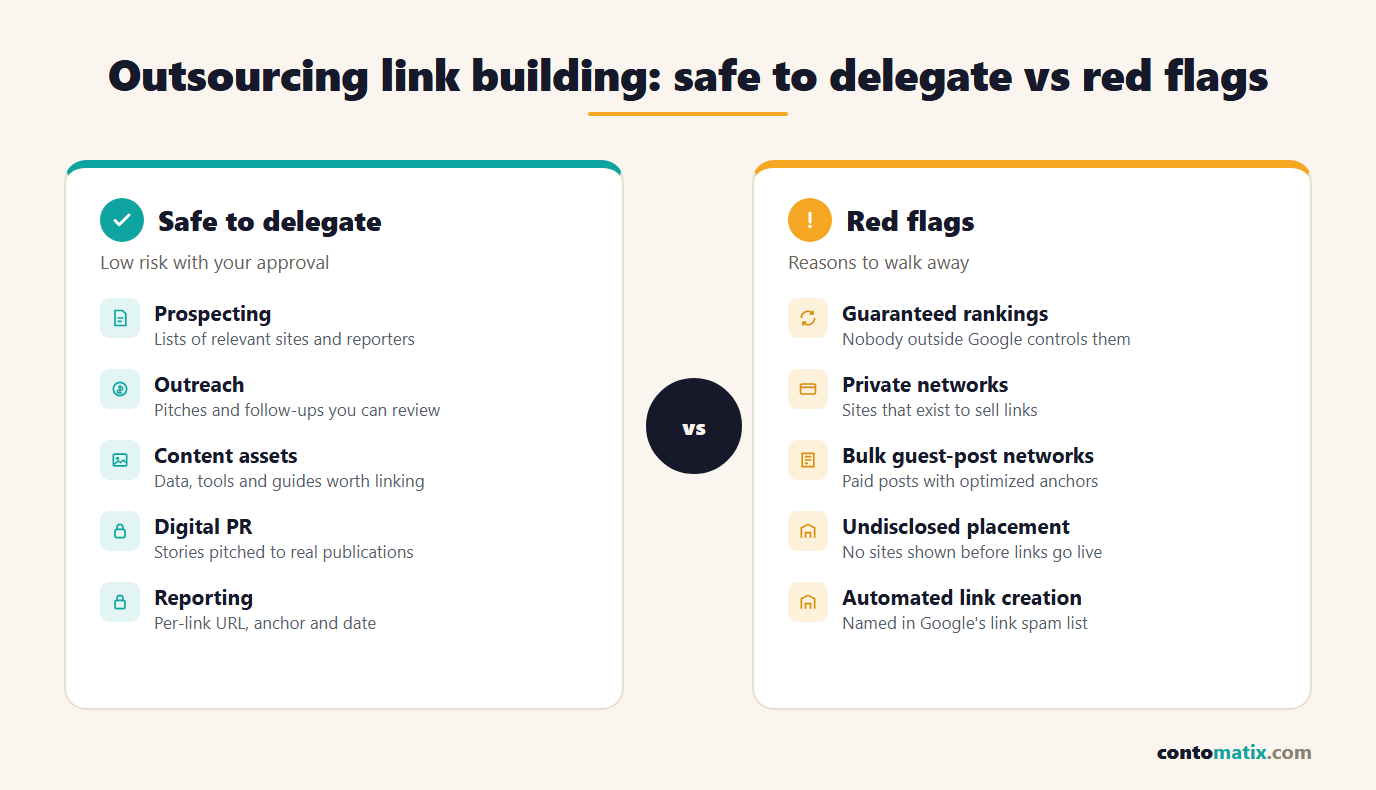
Not every link building task carries the same risk. The ones below are generally safe to delegate, provided you can see the output before it goes live.
- Prospecting. Building lists of relevant sites, journalists and resource pages, with notes on why each one fits. Low risk, because nothing is published.
- Outreach. Writing and sending pitches, handling replies and following up. The risk here is tone and claims, so review templates before they are used.
- Content assets. Research, data studies, tools and illustrated guides that give people a reason to link. Quality varies widely, so approve drafts.
- Digital PR. Pitching a story to publications and reporters. Our overview of digital PR services explains how this differs from straightforward outreach.
- Reporting and monitoring. Tracking new links, lost links and referring domains. Useful and low risk.
The one thing to keep in-house is the decision about what counts as an acceptable link. That standard should be yours and written down, not the vendor's.
What Google Says About Link Schemes
Before hiring anyone, read what Google says about links built for rankings. In its spam policies for Google web search, Google defines link spam as creating links to or from a site "primarily for the purpose of manipulating search rankings." Several examples in that list matter directly to anyone buying link building.
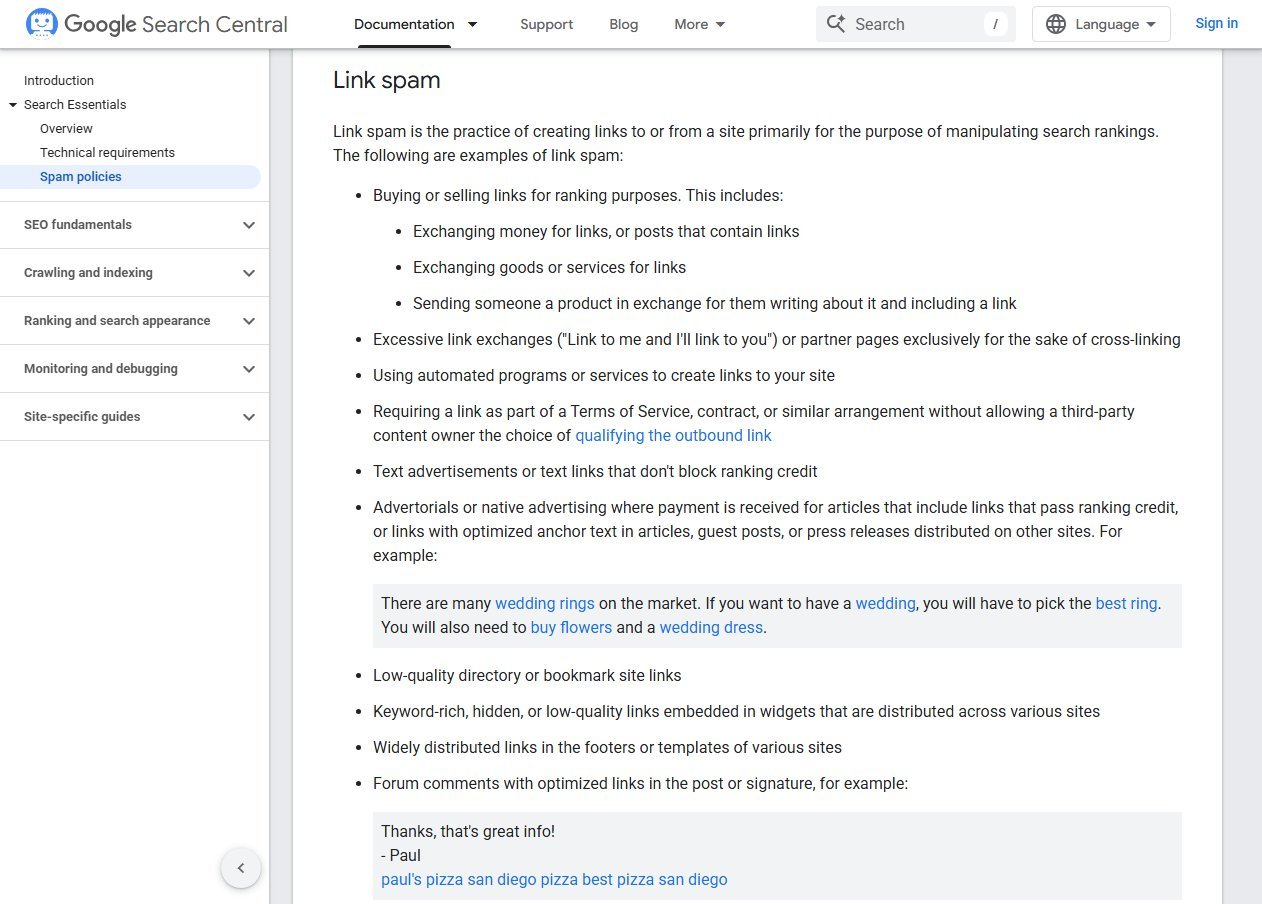
The examples most relevant to an outsourcing decision are these:
- Buying or selling links for ranking purposes, including exchanging money for links or for posts that contain links.
- Excessive link exchanges, and partner pages created only for cross-linking.
- Using automated programs or services to create links to your site.
- Paid articles, guest posts or press releases that carry links passing ranking credit or optimized anchor text.
- Low-quality directory or bookmark site links, and widely distributed links in footers or templates.
Google also lists requiring a link as a condition of a contract or terms of service without letting the other site choose how to qualify it. That one is worth remembering when you read a vendor agreement or a publisher's terms.
Notice what the list is not saying. Google does not treat all paid or sponsored content as a violation. The same page states that buying and selling links is a normal part of how the web works for advertising and sponsorship, provided the links are properly qualified. We come back to that further down.
How to Vet a Provider
Vetting is mostly about asking for specifics that a weak vendor cannot supply. Run through these questions before signing anything.
- Ask how links are earned. A credible answer describes outreach, assets and relationships. Vague talk of "our network" or "proprietary sites" is a warning sign.
- Ask for real examples. Request live pages that carry links the team won, then open them and judge whether a human editor would plausibly have placed them.
- Ask who does the work. Find out whether outreach is done by staff, by contractors or by software, and who writes the pitches.
- Ask what they will refuse to do. Good providers have a list of tactics they decline. If everything is on the table, so is the risk.
- Ask how placements are labelled. A provider who has a clear policy on sponsored content and disclosure understands the rules above.
- Ask what happens if a link disappears or gets penalised. The answer tells you who holds the risk.
- Ask about reporting. You want the linking URL, the anchor, the date and how it was obtained, not a screenshot of a dashboard.
A short trial project with one clear deliverable is a better test than a long sales call. Judge the work, not the pitch deck.
Red Flags That Should End the Conversation
Some claims and practices are reason enough to walk away.
- Guaranteed rankings or traffic. Nobody outside Google controls rankings, so a guarantee is either a lie or a sign the vendor is doing something it should not.
- Private blog networks. Sites that exist mainly to sell links match the policy examples above. If a vendor will not say where links will appear, assume the worst.
- Bulk guest-post networks. Hundreds of unrelated sites that all accept paid posts with optimized anchors are a pattern, not a strategy. See our guest blogging guide for what an editorially real placement looks like.
- Undisclosed placement. If you cannot see the sites before links go live, you cannot judge risk.
- Automated link creation. Google names this one directly; our piece on automated link building covers what is and is not safe to automate.
- Link counts as the headline. A promise of a fixed number of links per month rewards volume over quality.
- Pressure to move fast. A sudden burst of similar links to commercial pages is how patterns get noticed.
Paid and Sponsored Content Done Properly
Some legitimate coverage does involve payment, such as sponsored articles, advertorials or paid partnerships. Google's documentation on qualifying outbound links says to mark advertisements and paid placements with the sponsored value, and notes that nofollow remains acceptable though sponsored is preferred.
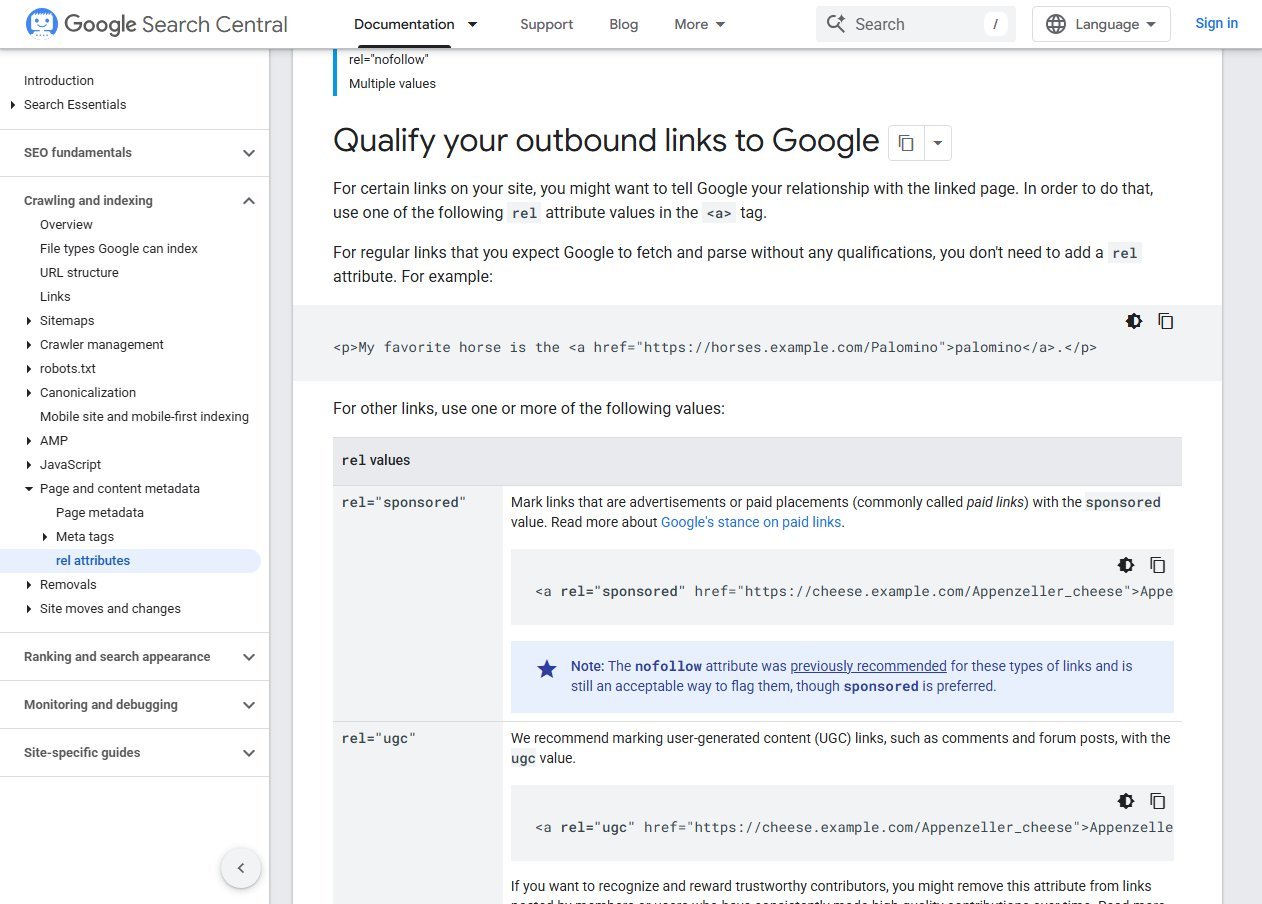
For you, as the buyer, this means two things. First, a paid placement that is properly labelled and marked sponsored is a different matter from a paid placement dressed up as an editorial link. Second, expect such links to pass little or no ranking credit, and judge them as advertising and exposure. If a vendor says paid links will lift rankings, that is the claim the policy is written against. Our explainer on whether nofollow links help SEO sets out what qualified links can still do for you.
Pricing Models, Compared Without Numbers
Providers typically charge in one of three ways. Each lines up the vendor's incentives differently, which matters more than the figure itself.
- Monthly retainer. You pay for a team's time and process. It suits ongoing campaigns, content assets and PR, where results are uneven month to month. The risk is paying for activity without outcomes, so tie it to reporting and agreed deliverables.
- Per-link pricing. You pay for each placement. It looks transparent, but it rewards volume, and a low per-link rate usually means low-effort or paid-network placements. If you use it, define what qualifies as a billable link.
- Per-project pricing. You pay a fixed amount for a defined piece of work such as a data study with outreach. It suits one-off campaigns, but scope needs to be precise.
Whatever the model you choose to outsource link building under, ask what is included and what is not. Cheap offers often leave out content creation, so the vendor ends up reusing thin articles across many sites. An unusually low price relative to the work described is itself a signal.
What to Put in the Contract
A good contract is the cheapest control you will buy. Cover at least the following.
- Methods. A clear statement that links will be earned through outreach, content and PR, and a list of banned tactics including private networks, automated link creation and undisclosed paid placements.
- Disclosure and qualification. Any paid or sponsored placement must be disclosed to you and marked appropriately by the publisher.
- Approval rights. You approve target pages, anchor text policy, content drafts and, where possible, publisher lists before work starts.
- Reporting. Per-link details: URL, anchor, date, target page and how it was obtained.
- Ownership. Content and assets you pay for belong to you, and you receive working files.
- Remediation. What the provider does if a link breaks, is removed, or turns out to violate the agreed methods, including whether it will help with removal.
- Exit terms. Notice periods, a clean handover and no lock-in.
If you outsource link building, keep the KPI section honest. Agree on the process you can influence, such as pitches sent, replies, placements and the relevance of linking sites, and track rankings and traffic as outcomes the vendor does not control.
Keeping Control: Approvals, Anchors and Reports
Choosing to outsource link building does not mean handing over every decision. Outsourcing the labour does not mean outsourcing judgment. Set up three habits from day one.
An approval workflow. Nothing goes out in your name without a quick check: the pitch, the page being promoted and the claims made about your business. A shared sheet with a status column is enough.
An anchor policy. Keep anchors natural. Brand names, URLs and descriptive phrases should dominate, with exact-match commercial anchors rare. Google's own example of link spam includes optimized anchor text in distributed articles, so a vendor pushing keyword anchors is steering you toward the pattern it warns about.
Regular reporting. A monthly review where you open the actual links. If a vendor resists showing URLs, that tells you what you need to know.
How to Audit the Links You Receive
Whatever the contract says, verify. For each new link, check these things.
- Is the page real, indexed and about a topic related to yours?
- Does the site publish content for readers, or does it look like it exists to host links?
- Is the link in the body of a useful article, not a footer, sidebar or author box that appears on every page?
- Is the anchor natural, and does it point to a sensible page on your site?
- If the placement was paid, is it marked as sponsored?
- Does the same site link out to many unrelated commercial sites?
Our guide to backlink analysis tools compares ways to pull a referring-domain list so you can do this at scale. Run the audit monthly during the first quarter, then quarterly. If you find links that break the agreed rules, ask the vendor to remove them and keep a written record.
A Checklist Before You Sign
- Write down what a good link looks like for your site and what you will refuse.
- Confirm you have an asset worth linking to before paying for outreach.
- Ask the provider how links are earned and request live examples.
- Reject guaranteed rankings, private networks and undisclosed placements.
- Choose a pricing model whose incentives match your goal and define what is billable.
- Put methods, disclosure, approvals, reporting and exit terms in the contract.
- Start with a small paid trial and judge the output.
- Audit the first batch of links yourself before expanding.
Quick Recap
- Outsource link building when you have something worth linking to and lack the hours, not to fix a weak site.
- Safe to delegate: prospecting, outreach, content assets, digital PR and reporting. Keep the quality standard in-house.
- Google defines link spam as links created primarily to manipulate rankings, and lists buying links, automated link creation and optimized anchors in paid guest posts among examples.
- Paid placements are fine as advertising when qualified, with sponsored preferred and nofollow still acceptable.
- Walk away from guaranteed rankings, private networks, bulk guest-post networks and hidden placements.
- Retainer, per-link and per-project pricing each reward different behaviour, so pick on incentives.
- Contract for methods, approvals, per-link reporting and exit terms, then audit the links yourself.
If You Want a Provider Rather Than a Playbook
Disclosure: Contomatix, which publishes this guide, offers link building as a service, so treat this section as a provider speaking about itself. You can hold us, or any other team, to the same checklist above: ask how links are earned, see the URLs, and keep approval rights.
Frequently Asked Questions
Is it safe to outsource link building?
It can be, if the provider earns links through outreach, content and PR, shows you every placement and avoids the tactics Google lists as link spam. Safety depends on the methods and your oversight, not on whether the work is outsourced.
What does Google say about buying links?
Google's spam policies list buying or selling links for ranking purposes as link spam. It also says that buying and selling links for advertising is normal, as long as they are qualified with nofollow or sponsored.
What should I outsource first?
Prospecting and reporting are the lowest-risk starting points because nothing is published in your name. Outreach and content assets come next, with your approval on drafts.
How do I know if a vendor uses a private blog network?
Warning signs include refusing to name sites before placement, promising a fixed number of links per month, and sites that carry paid posts across unrelated topics. Always ask to see the sites first.
Is per-link pricing a bad idea?
Not necessarily, but it rewards volume. If you use it, define exactly what counts as a billable link, including site relevance and editorial standards.
Can a link building agency guarantee rankings?
No. Rankings are decided by Google, and a guarantee usually points to tactics that put your site at risk. Agree on process measures instead and treat rankings as an outcome.
Should I let the provider choose anchor text?
Set the policy yourself. Natural anchors such as brand names, URLs and descriptive phrases are safer than repeated exact-match keywords, which Google's examples associate with link spam in distributed articles.
How often should I audit the links I receive?
Monthly during the first quarter, then quarterly. Check relevance, placement, anchor and whether paid links are marked sponsored.
What if I find bad links after the work is done?
Ask the vendor to have them removed, keep a record, and review your contract's remediation clause. Fix the process before continuing the engagement.
Is it better to hire in-house or to outsource link building?
Hire when link building is a constant, core need and you can supply the assets. Outsource when you need capacity, tooling or a short burst of effort. Many teams keep strategy in-house and outsource the labour.


