Last updated: September 2026
Audiology SEO is not a smaller version of dental or optometry SEO. Hearing clinics sell around a symptom people are reluctant to admit to, compete against big-box hearing aid retailers as often as against other clinics, and operate under advertising scrutiny that most local businesses never encounter. Getting found for audiology seo and hearing clinic seo means building a site around how someone actually behaves when they first suspect they're losing their hearing, not around a generic "our services" page — a trust bar that shows up in other health-adjacent local categories too, like dental SEO.
How Patients Actually Search Before They Book a Hearing Test
Almost nobody starts by searching "audiologist." The first searches are symptom-shaped and often typed late at night, well before someone is ready to book anything: "why do I keep asking people to repeat themselves," "ringing in ears won't stop," "can't hear tv at normal volume anymore," "trouble hearing in restaurants." These are awareness-stage queries from people who suspect a problem but haven't yet framed it as "I need a hearing test."
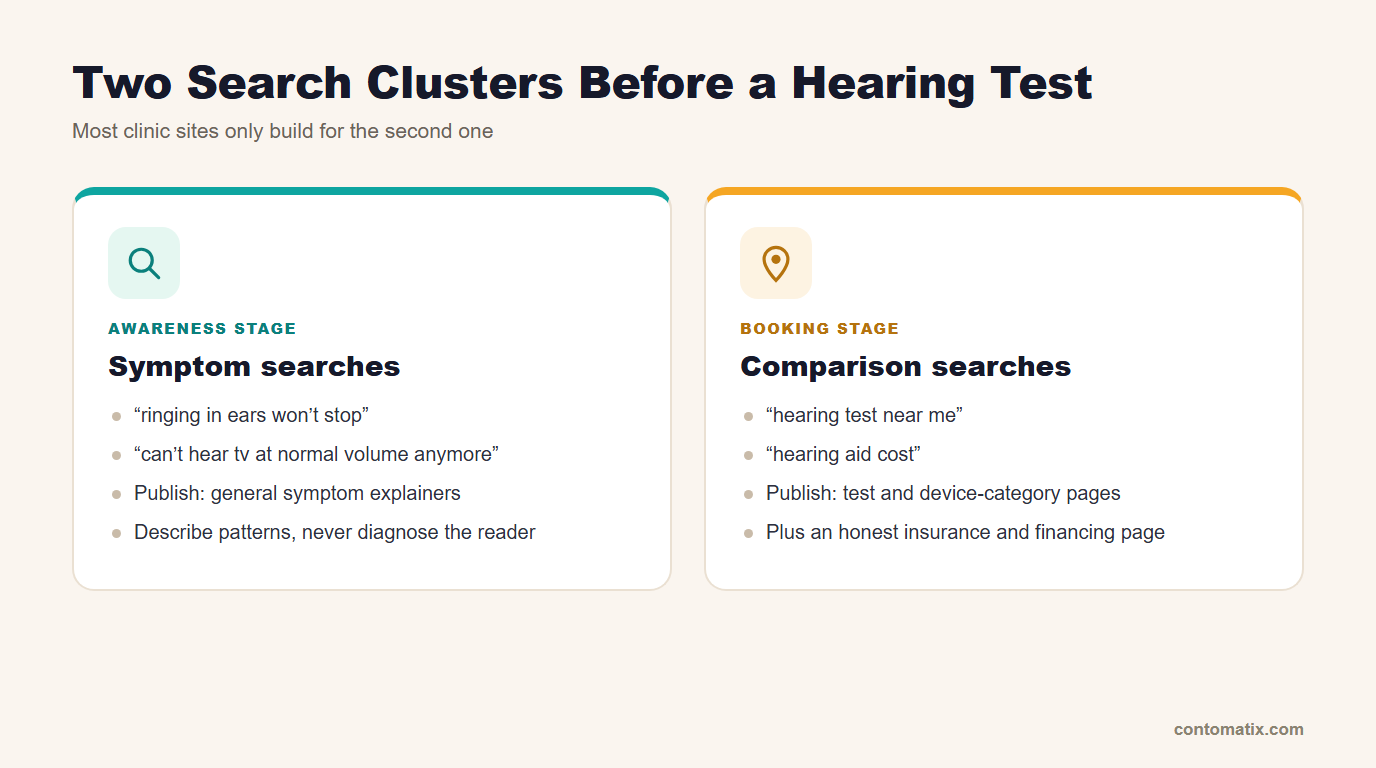
A second, later-stage cluster is much closer to a booking: "hearing test near me," "free hearing screening," "hearing aid cost," "best hearing aids for tinnitus," "in-ear vs behind-the-ear hearing aids." Someone typing these has already accepted they probably need help and is comparing options or trying to estimate cost before calling anyone.
Most clinic websites only build for the second cluster — a "book a hearing test" page and a contact form — and skip the first entirely. Mapping both clusters properly is really a keyword research exercise, not a guessing game. That's a real gap, because a well-written page answering "why do I keep turning the TV up" or explaining what tinnitus is and when it's worth getting checked can capture someone months before they're ready to book, and stays the resource they come back to when they are. It also has to be handled carefully: this content sits close to health information, so it should describe general patterns ("gradual high-frequency loss often shows up first as trouble hearing consonants or following conversation in noisy rooms") rather than anything that reads as a diagnosis of the reader.
Google Business Profile: Audiologist vs. Hearing Aid Store
Google's category list gives hearing clinics two categories that sound similar but aren't: Audiologist and Hearing Aid Store. Google's own guidance is to pick the primary category that most specifically describes the business as a whole, then add secondary categories to round it out — you can't invent a category that isn't in Google's list, so it's worth checking both against how the practice actually makes money.
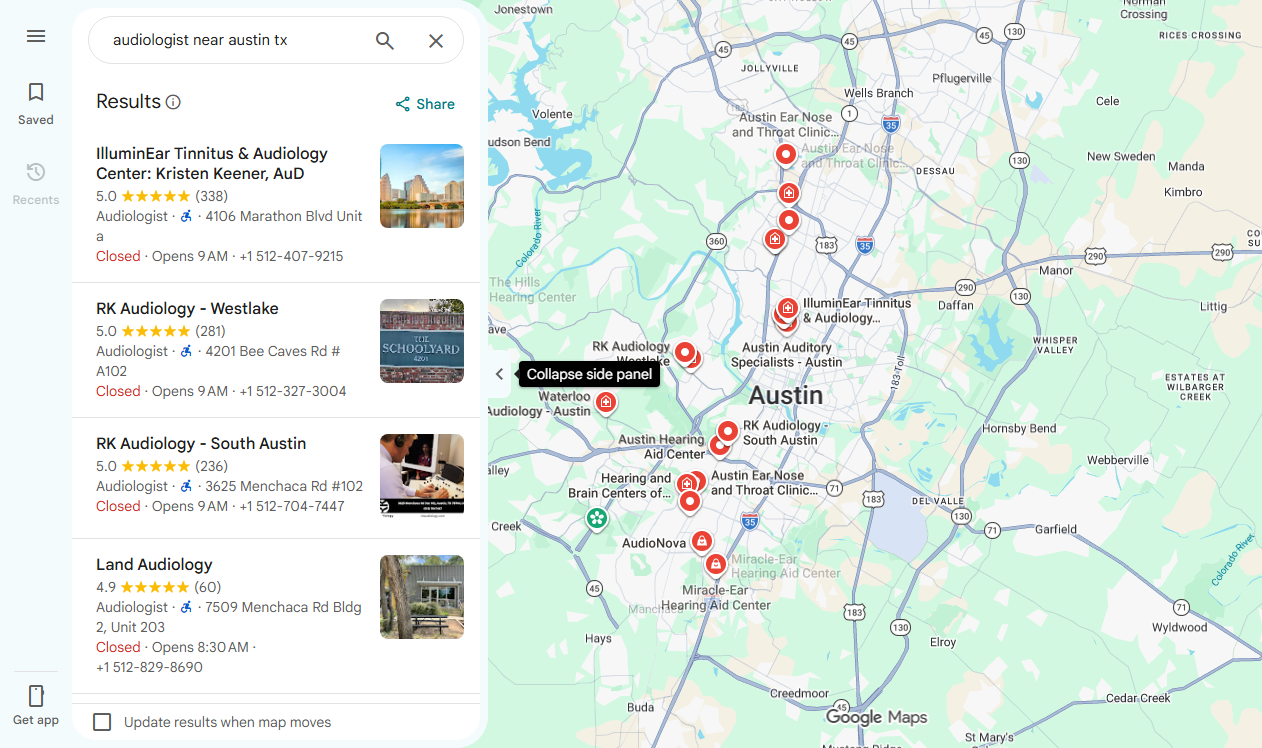
A practice built around diagnostic audiology — comprehensive hearing evaluations, tinnitus assessment, balance testing, pediatric audiology, ENT referrals — is a better fit for Audiologist as primary, with Hearing Aid Store added as secondary if devices are also dispensed on-site. A practice that's primarily a retail hearing aid dispenser, with less emphasis on diagnostic testing, may see better category matching the other way around. Getting this backwards doesn't just affect ranking — it changes which "near me" searches the profile is even eligible to show up for, since Google matches search intent to category far more than most business owners assume.
Google's Business Profile content policies also restrict certain regulated health and medical content in posts, so it pays to write the profile conservatively. Two practical consequences: keep the profile description factual and service-based rather than making outcome claims ("restore your hearing" reads very differently from "hearing evaluations and device fitting"), and be careful in how staff respond to reviews that mention a patient's specific condition — repeating diagnostic details back in a public reply is a privacy risk no clinic needs.
Build Service Pages Around Test and Device Categories, Not One "Services" Page
The single biggest structural fix for most clinic sites — the same on-page SEO principle that applies across every local-service category — is splitting a generic services list into pages that match how people actually search and decide. At minimum, that means separate pages for the test-side of the practice — comprehensive hearing evaluations, tinnitus evaluation, hearing aid fittings and adjustments, and (where offered) balance/vestibular testing — because each of those is its own search with its own intent and its own worried-or-curious reader.
On the device side, the mistake is usually the opposite: clinics either name specific manufacturer models (which goes stale fast and reads as a sales pitch rather than clinical guidance) or lump everything into one paragraph. A middle path that tends to work better is organizing by device category rather than brand — behind-the-ear (BTE), in-the-ear (ITE) and in-the-canal (ITC) styles, receiver-in-canal (RIC) devices, and, for patients outside the range hearing aids can help, a clear explainer of when a cochlear implant referral is the appropriate next step. Each category page can honestly describe who tends to be a good candidate, what the fitting process involves, and what questions to ask, without promising a specific outcome for any individual reader.
Insurance and Financing Pages That Actually Answer the Question
"Does insurance cover hearing aids" is one of the highest-intent questions a prospective patient asks, and it's also one of the easiest to get wrong by being vague. A dedicated insurance and financing page should explain, in plain terms that don't require the reader to call first, how coverage typically works in general (many plans treat hearing aids differently from diagnostic hearing tests, and coverage varies significantly by plan and by state), what the clinic accepts, and what financing or payment plans are available — without quoting a specific reimbursement percentage or dollar figure unless that number is confirmed directly from the clinic's own current contracts. A page that says "we'll help you understand your specific coverage before you commit to anything" and explains the general categories (insurance-covered, HSA/FSA-eligible, in-house financing) converts better than one that either stays silent on cost or guesses at numbers that turn out to be wrong for a given plan.
Reviews: What to Ask For, and What Never Belongs in One
Reviews matter enormously for hearing clinics because so much of the decision to book is about trust in a specific provider, not just the practice's location. The safest and most useful ask is for patients to describe their experience — how the appointment felt, whether staff explained things clearly, how the fitting process went — rather than clinical specifics. A review that says "Dr. Patel explained everything clearly and I finally understand my hearing loss" is genuinely useful to the next reader; a review (or a staff reply) that restates a patient's specific diagnosis or test results is a privacy problem waiting to happen, not a marketing asset. Front-desk staff should have a simple standing rule: thank the reviewer, keep any public reply generic, and take anything specific to a phone call or a private message.
Advertising Rules Specific to Hearing Care
Hearing aid marketing sits under real regulatory scrutiny, and it's worth being deliberate about it rather than finding out the hard way. The FTC has primary jurisdiction over how hearing aids are advertised (the FDA handles device labeling), and it evaluates ads on the overall, "net" impression they leave a reader — not just on whether a technically true disclaimer appears somewhere in small print. The FTC has specifically challenged hearing-aid marketing claims that implied clinically proven benefits without the scientific backing to support them, which is a useful reminder that phrases like "clinically proven to restore hearing" need real substantiation behind them, not just confidence.
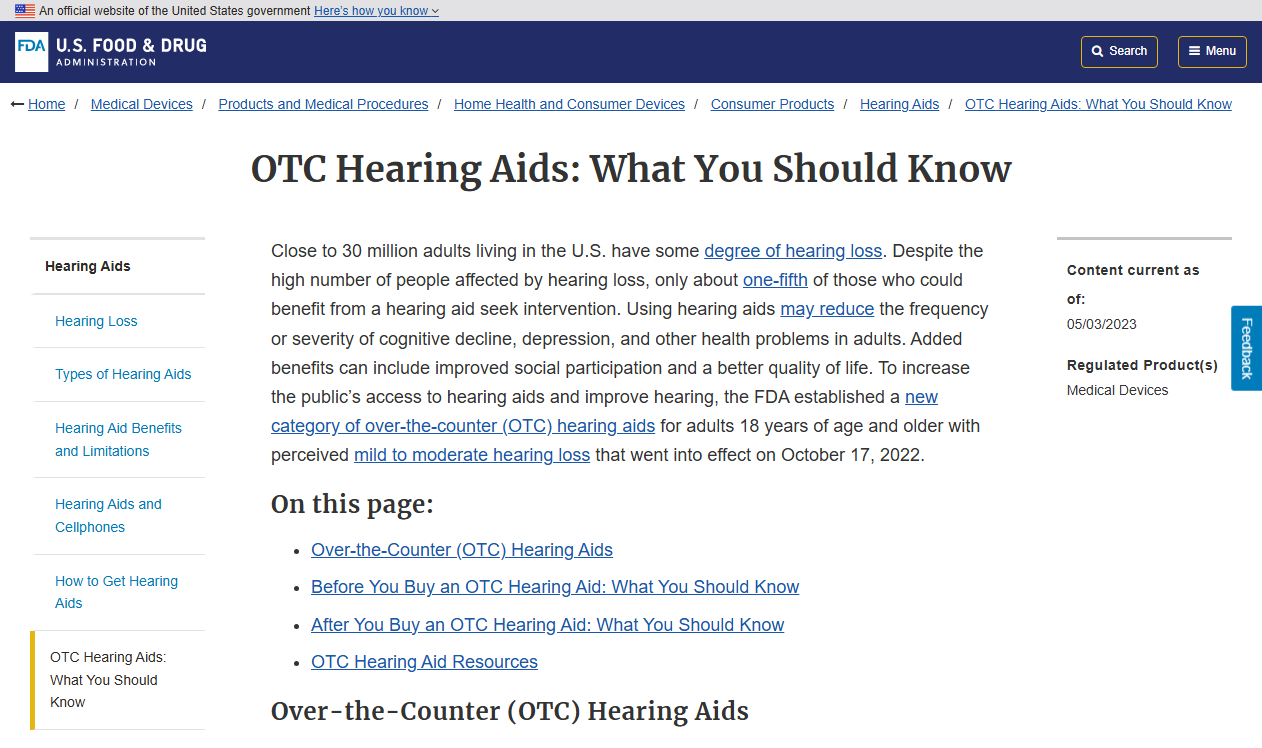
On top of federal rules, most states license hearing aid dispensers and audiologists separately, and several states have their own rules about what dispensing advertisements can claim, how free-trial offers must be worded, and how pricing has to be disclosed. None of this requires legal advice from an SEO guide — it requires checking the clinic's own state licensing board and being conservative with outcome language ("may help with," "designed to improve," rather than "will fix" or "restores"). Content written to rank well and content written to survive a regulator's read of it should be the same content, not two different drafts.
Where This Leaves a Clinic's Audiology SEO Priorities
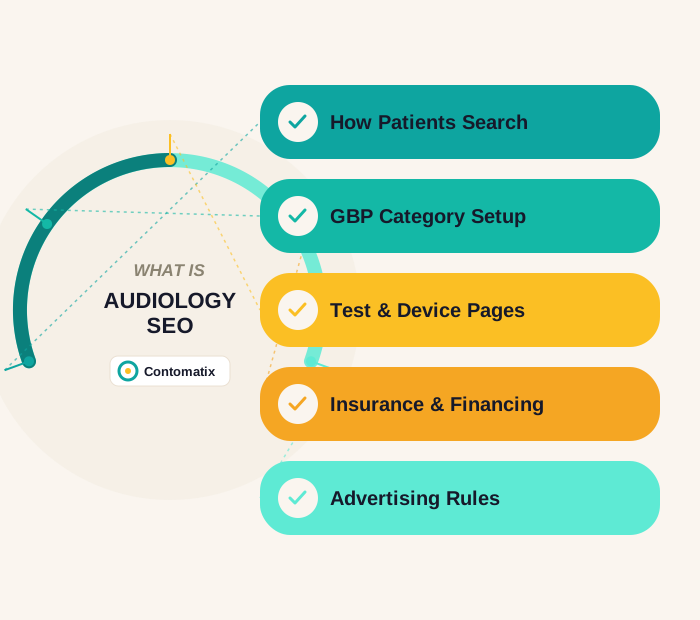
In rough order: get the Google Business Profile category right and keep it factual, build out separate pages for tests, tinnitus, and device categories instead of one services page, write an honest insurance and financing page instead of an empty one, collect reviews that describe experience rather than diagnosis, and keep every marketing claim inside what can actually be substantiated. None of it is exotic, but almost no clinic site does all five — which is exactly where the opportunity is.
What is audiology SEO?
Audiology SEO is search optimization built around how people actually search before booking a hearing test — starting with symptom-based questions rather than "audiologist," and structured around Google Business Profile, procedure- and device-specific service pages, and the advertising rules that apply to hearing care.
Should a hearing clinic use Audiologist or Hearing Aid Store as its Google Business Profile category?
It depends on how the practice actually makes money. A diagnostic-led practice (hearing evaluations, tinnitus assessment, referrals) generally fits better as Audiologist with Hearing Aid Store as a secondary category; a retail-led dispensing practice may fit better the other way around.
Do hearing clinics need a separate page for every test and device type?
For the ones that drive appointments, yes. A single services page listing every test and device in one paragraph won't rank for any of them individually, while dedicated pages for comprehensive hearing evaluations, tinnitus evaluation, and each device category can each rank and convert on their own.
What should a hearing clinic say about insurance coverage online?
Explain how coverage generally works, what the clinic accepts, and what financing options exist, without quoting specific reimbursement percentages unless they're confirmed for that exact plan — coverage varies too much by plan and state to state generically as a fixed number.
Are there advertising rules specific to hearing aids?
Yes. The FTC has primary jurisdiction over hearing aid advertising and evaluates claims on the overall impression they leave, requiring a real scientific basis for benefit claims. Most states also separately license hearing aid dispensers and audiologists, often with their own advertising rules.
Can a hearing clinic ask patients to leave Google reviews?
Yes, and reviews are a major trust signal for this category. The safer approach is asking patients to describe their experience rather than clinical specifics, and keeping any public reply to a review generic rather than restating diagnostic details.
Why do symptom-based blog pages matter for hearing clinics?
Most people search symptom-shaped questions ("why do I keep turning up the TV") months before they search "hearing test near me." A page that answers the symptom question can reach and build trust with a prospective patient long before they're ready to book.
Sources: Google Business Profile Help, Manage your business category · Google Business Profile Help, Guidelines for representing your business on Google · Federal Trade Commission, Listen up! FTC challenges hearing claims for MSA 30X device · U.S. Food & Drug Administration, OTC Hearing Aids: What You Should Know