Last updated: September 2026
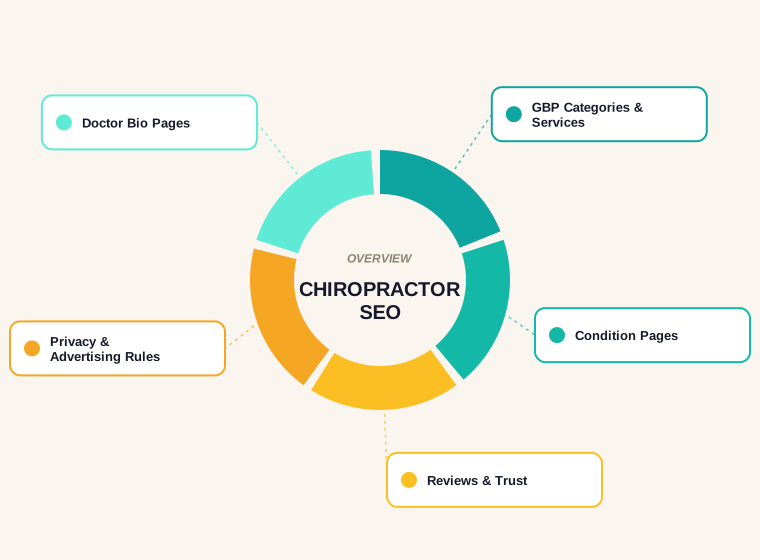
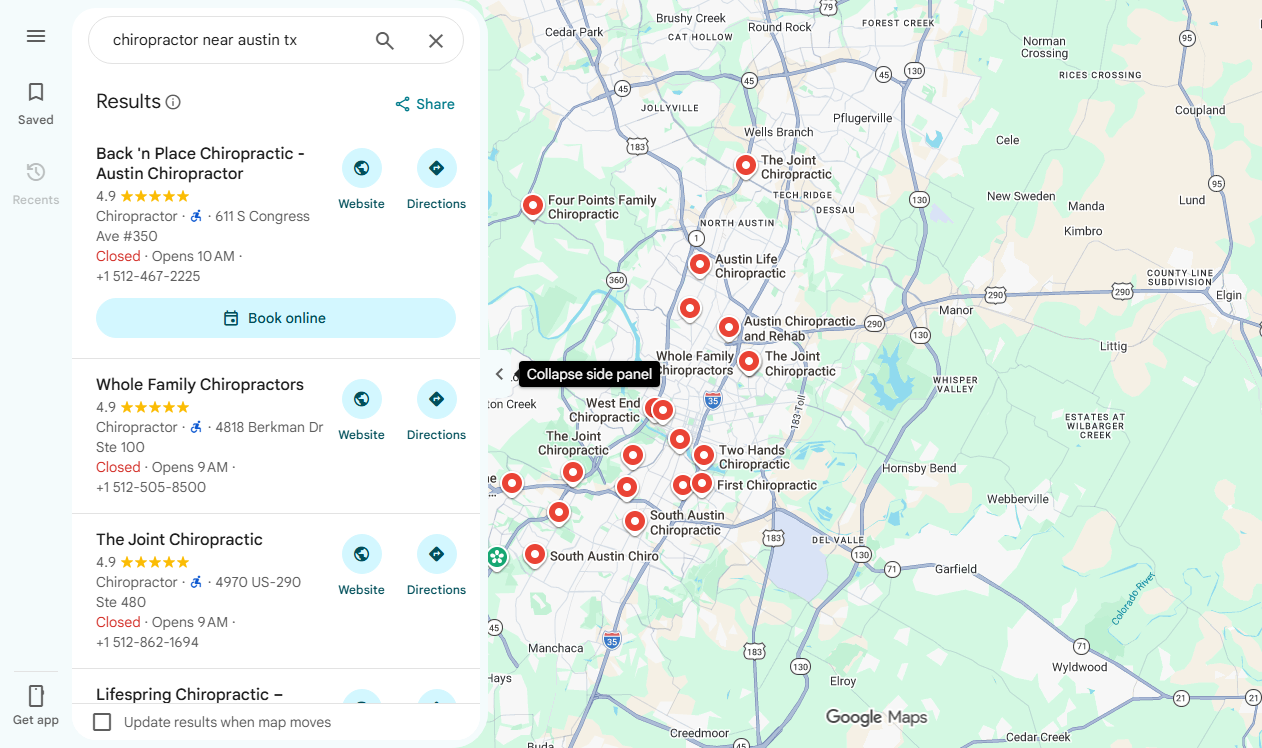
Chiropractor SEO lives or dies in a very small piece of real estate: the three-listing local pack that shows up above the regular search results for anything like "chiropractor near me" or "back pain chiropractor." Most new-patient searches never scroll past that pack, which means the practices winning it are winning most of the new patients, and the ones who are not are competing for whatever is left.
The Local Pack Is the Whole Game, Not Just Part of It
Unlike a category where organic website rankings and the map pack pull roughly equal weight, chiropractic search behavior skews heavily toward "near me" and location-qualified queries. That makes the Google Business Profile listing, not the homepage, the single highest-leverage asset a practice has. A chiropractor with an average website but a complete, accurately categorized, actively managed profile will usually out-perform a practice with a beautifully designed site and a neglected listing.
Getting Categories and Services Right on Google Business Profile
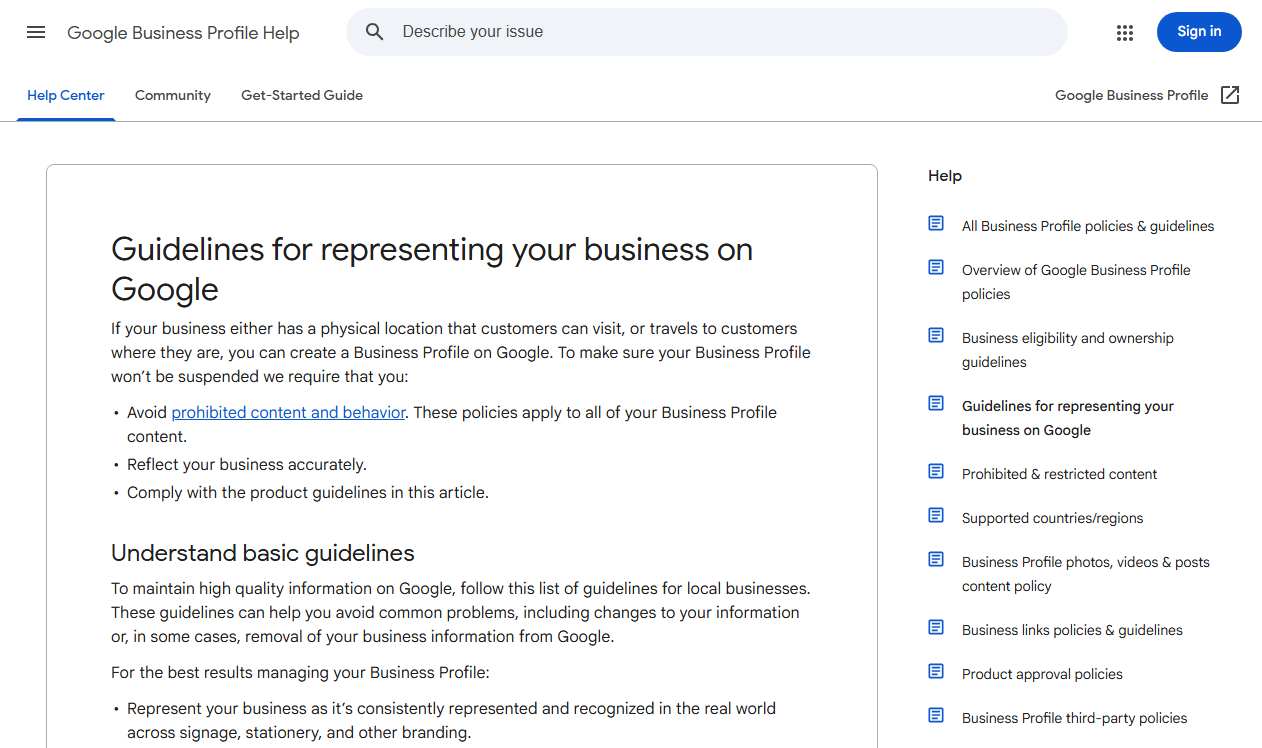
The primary category should simply be "Chiropractor," but the secondary categories and, more importantly, the Services section is where most practices leave visibility on the table. If the practice treats sports injuries, offers prenatal or pediatric chiropractic care, does auto-accident or personal-injury cases, or runs a specific technique like Gonstead or Activator Methods, each of those belongs as an explicit, named service on the profile — not just mentioned somewhere on the website. Google surfaces listings for searches that match what is actually entered in that Services section, so a practice that treats sports injuries but never says so on its profile is invisible to that exact search.
Condition and Treatment Pages Beat One Generic Services Page
A single "Our Services" page listing ten things a chiropractor does will rarely rank for any of them individually, because it is competing against dedicated pages built specifically to answer that one search. A page built around "chiropractor for sciatica," addressing what causes it, what a chiropractic evaluation for it actually involves, and how many visits a typical care plan runs, targets a real, specific search intent that a generic services page cannot match. The same logic applies to auto-accident and workers'-comp chiropractic care, which are effectively a separate buyer journey — usually driven by an attorney or insurance adjuster referral rather than organic search — and deserve their own page addressing documentation, billing through the claim, and what the intake process looks like.
Reviews: What New Patients Actually Read Before Booking
Chiropractic care is a hands-on, physically intimate service, and reviews carry a proportionally large amount of the trust decision. Reviews that mention a specific condition, a specific technique, or how the doctor explained the adjustment before doing it tend to do more for both conversion and, indirectly, ranking than a large pile of generic five-star ratings with no detail. Building a review request into the actual patient checkout flow — asked in person or by text right after a visit that clearly helped — consistently outperforms a generic follow-up email sent days later. Responding to reviews, including the occasional negative one, without getting defensive or disclosing any details about the visit, is one of the more visible signals a prospective patient sees before ever calling.
Patient Privacy and Advertising Rules Chiropractors Need to Respect
Because chiropractic treatment involves protected health information, any testimonial, case example, or before-and-after description used in marketing needs to avoid disclosing identifiable details about a patient's diagnosis or treatment without their explicit, documented consent — the same standard that applies to any healthcare provider. Advertising rules for chiropractors also vary by state chiropractic board, and some boards restrict specific kinds of claims (curing conditions unrelated to the spine, guaranteeing outcomes, or certain uses of "doctor" without qualification). None of this is legal advice, and the right move for any specific claim a practice wants to make is to check with its own state board rather than assume a competitor's marketing language is compliant just because it is already published.
Local Citations and NAP Consistency for a Health-Adjacent Category
Beyond the standard local citation sources, chiropractic-specific health directories carry outsized weight for this category, since patients researching a provider often cross-check a listing against more than one source before booking. Keeping name, address, and phone number identical across the Google Business Profile, the website, and every directory listing matters more here than in most categories, because inconsistent information on a healthcare provider reads as a trust signal in both directions — to Google and to a patient deciding who gets to work on their spine.
Doctor Bio Pages Matter More in a Hands-On Profession
Choosing a chiropractor is a decision about who gets to physically adjust someone's spine, which makes credentials and named expertise carry more weight than in most local-service categories. A bio page naming the doctor of chiropractic by name, listing their school, year licensed, and any technique-specific certifications (Gonstead, Activator, Webster technique for prenatal care), does real work in both directions: it gives Google's quality guidance the kind of named, verifiable expertise it looks for in a health-adjacent category, and it gives a hesitant new patient a specific person to trust rather than an anonymous practice. Multi-doctor practices should give each provider their own bio page rather than a single shared "our team" paragraph, since patients researching a specific doctor by name (often on a referral) need somewhere accurate to land.
Insurance and Medicare Content Patients Search For Before Calling
"Does this chiropractor take my insurance" is a common pre-booking search, and a page that lists accepted plans by name directly reduces phone-tag before a first visit — the same logic that applies to dental and medical practices generally. Medicare coverage for chiropractic care is also a frequent, genuine point of confusion: Medicare Part B covers manual manipulation of the spine to correct a documented subluxation, but does not cover other chiropractic services like exams or X-rays, and a plain-language page explaining that distinction, without inventing specific coverage percentages, answers a real question that a generic "we accept most insurance" line does not.
Content for the Questions New Patients Actually Have
Beyond condition pages, the content that tends to convert well answers pre-visit anxiety directly: what a first visit actually involves, whether X-rays are required and why, whether the practice accepts the patient's insurance or Medicare, and the practical difference between acute pain-relief care and longer-term wellness or maintenance adjustments. Patients unfamiliar with chiropractic care often hesitate specifically because they do not know what to expect physically, and a page that walks through the first visit step by step reduces that friction more than any amount of general credibility copy.
Chiropractor SEO Local Pack Basics: What Actually Moves the Needle
For a single-location chiropractic practice, the ranking factors that move the local pack are, in rough order of practical impact: category and service accuracy, review volume and recency, proximity to the searcher (which the practice cannot control), and the completeness and consistency of the profile and citations. Website content and backlinks still matter for the handful of high-value organic searches like specific conditions, but they matter less for the map pack itself than most practices assume — which is why a practice with a strong profile and thin content sometimes outranks a practice with the opposite setup. That does not mean the website is optional; it means the profile earns the first click and the website's job is to not lose it once the patient arrives, by confirming the same information (hours, services, insurance) the profile already promised.
DIY or Bring in Outside Help
Good SEO for chiropractors does not require a huge team, and a solo or small multi-doctor practice can usually manage Google Business Profile accuracy, review requests, and basic citation consistency without outside help, especially with a front-office staff member given clear ownership of it. Building out condition-specific pages that meet the accuracy and compliance bar this category needs, and structuring on-page SEO across a growing set of treatment pages, is where it tends to get harder to DIY well. If a practice is weighing whether to bring in help for local citation and health-directory work, link building aimed at genuinely relevant health and local directories is a reasonable place to start, and our guide to vetting a local SEO company covers the questions worth asking before hiring anyone for this kind of work.
Measuring Whether Chiropractic SEO Is Actually Working
New-patient phone calls and online booking submissions attributed to Google Business Profile and organic search, tracked separately from any paid channels, are the metric that matters — not overall website traffic or keyword position alone. A practice ranking well for several condition-specific terms that never converts to a booked evaluation is not succeeding, and it is worth watching whether calls actually convert to a first visit, since a chiropractic practice's real bottleneck is often front-desk scheduling and follow-up rather than search visibility itself.
What is the single highest-impact fix for chiropractor SEO?
A complete, correctly categorized Google Business Profile with every actual service listed by name. Most practices lose visibility simply by leaving the Services section generic or incomplete.
Do I need a separate page for every condition I treat?
For the conditions that drive the most new patients — commonly back pain, sciatica, headaches, and sports or auto-accident injuries — yes. A single generic services page rarely ranks for any one of them.
How should reviews be requested without breaking any rules?
Ask in person or by text immediately after a visit, in general terms about their experience, and never in exchange for a discount or in a way that pressures a specific rating. Avoid asking a patient to describe their diagnosis or treatment in a public review.
Can a chiropractor's website mention specific patient results?
Only with clear, documented consent, and even then it should avoid disclosing identifiable diagnostic or treatment detail. State chiropractic boards vary on what claims are permitted, so check directly with the practice's own board.
Does SEO for chiropractors differ much from general local SEO?
The core mechanics — Google Business Profile, reviews, citations, on-page content — are the same. What differs is the health-privacy and advertising-rule caution needed, and the weight condition-specific pages carry over a generic services page.
How long does chiropractic SEO take to show results?
Google Business Profile and review improvements often show within weeks. Condition-specific page rankings typically take a few months, longer for competitive terms in dense metro areas.
Should auto-accident and personal-injury cases have their own page?
Yes — that patient journey usually starts with an attorney or insurance referral rather than organic search, and the page needs to address documentation and billing questions a typical back-pain page does not.
Sources: Google's guidance on Business Profile categories.
Chiropractic SEO rewards getting a small number of things exactly right — categories, condition pages, and a steady review flow — more than it rewards volume of content. Contomatix offers a free audit if you want a second opinion on where a practice's current setup stands.
Get a free audit →